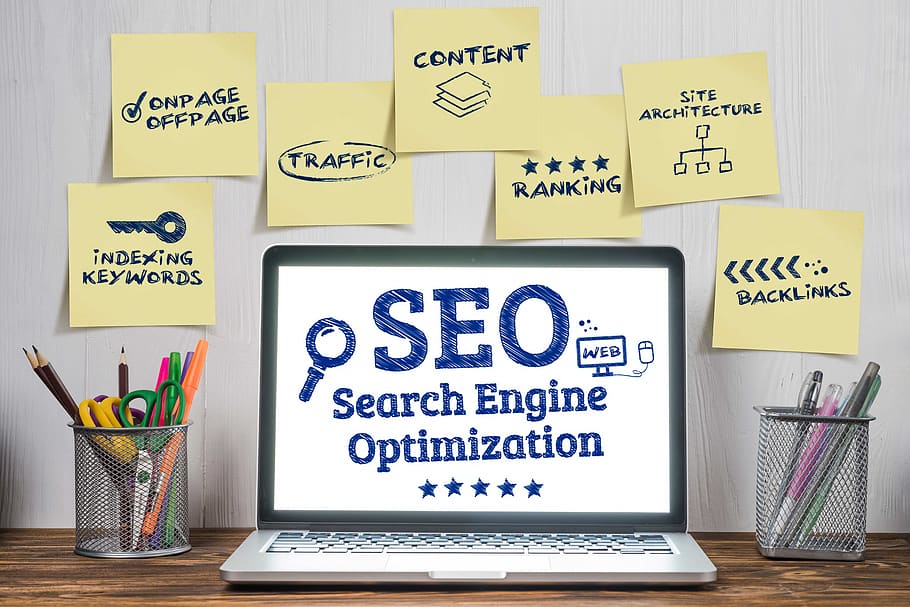
n the fast-paced world of e-commerce, where competition is fierce and visibility is key, mastering the art of SEO (Search Engine Optimization) is essential for success. Optimizing your e-commerce website for search engines can significantly boost your online presence, attract more organic traffic, and ultimately drive sales. In this comprehensive guide, we’ll delve into the intricacies of SEO for e-commerce websites, covering everything from keyword research to technical optimization.
Keyword Research: Unlocking the Power of Search Intent
Keyword research forms the foundation of any successful SEO strategy. It involves identifying the terms and phrases that your target audience is using to search for products or services online. For e-commerce websites, keyword research goes beyond just product names; it also includes long-tail keywords, product categories, and terms related to your niche.
Start by brainstorming a list of potential keywords and then use tools like Google Keyword Planner, SEMrush, or Ahrefs to refine your list and identify high-volume, low-competition keywords. Focus on keywords with commercial intent that indicate a user’s readiness to make a purchase, such as “buy,” “best,” or “reviews.”
On-Page Optimization: Crafting SEO-Friendly Product Pages
On-page optimization is the process of optimizing individual pages on your website to improve their search engine rankings. For e-commerce websites, this primarily involves optimizing product pages to ensure they are SEO-friendly and user-friendly.
Optimize your product titles and descriptions by incorporating relevant keywords while maintaining readability and avoiding keyword stuffing. Use descriptive and unique product titles that accurately reflect the product and its benefits. Write compelling product descriptions that highlight features, benefits, and unique selling points while incorporating keywords naturally.
In addition to optimizing product content, pay attention to other on-page elements such as meta titles, meta descriptions, headings (H1, H2, H3), and image alt text. Each element should be optimized with relevant keywords and provide valuable information to both users and search engines.
Content Creation: Building Authority and Driving Engagement
Content creation plays a crucial role in e-commerce SEO, helping to build authority, attract backlinks, and drive engagement. In addition to product pages, consider creating other types of content such as blog posts, guides, videos, or infographics that provide value to your audience and address their needs and interests.
Create content that is informative, educational, or entertaining, and relevant to your target audience. Use content to showcase your expertise, answer frequently asked questions, or provide solutions to common problems. Incorporate relevant keywords naturally throughout your content to improve its visibility in search engine results.
Technical SEO: Optimizing Performance and Accessibility
Technical SEO focuses on optimizing the technical aspects of your website to improve its performance, accessibility, and crawlability by search engines. For e-commerce websites, technical SEO is particularly important due to the large number of pages and dynamic content.
Ensure that your website is mobile-friendly and loads quickly on all devices, as mobile-friendliness is now a key ranking factor for Google. Optimize your website’s site structure, URL structure, and internal linking to make it easy for users and search engines to navigate.
Implement schema markup to provide search engines with additional context about your products, such as price, availability, and reviews. Use canonical tags to prevent duplicate content issues and optimize your website’s XML sitemap to ensure all pages are crawled and indexed properly.