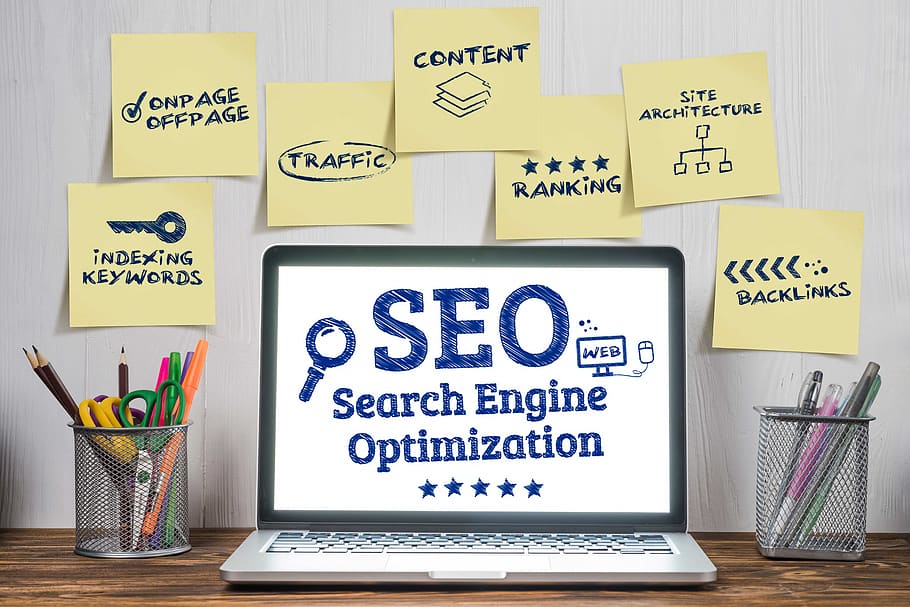
IIn today’s digital landscape, where competition for online visibility is fierce, mastering the art of SEO (Search Engine Optimization) is crucial for success. Whether you’re a seasoned marketer or a novice entrepreneur, understanding the fundamentals of SEO can significantly impact your website’s ranking on search engine results pages (SERPs) and drive organic traffic to your site. In this comprehensive guide, we’ll delve into the world of SEO and explore proven strategies to enhance your online presence.
What is SEO and Why Does it Matter?
EO refers to the process of optimizing your website’s content, structure, and performance to rank higher in search engine results. By aligning your website with search engine algorithms and user intent, you can attract relevant traffic and increase your visibility to potential customers. In today’s digital age, where consumers rely on search engines to find products and services, having a strong SEO strategy is essential for staying competitive in the online marketplace.
The Key Elements of SEO
- Keyword Research: Keywords are the foundation of any SEO strategy. Conduct thorough keyword research to identify relevant search terms and phrases that your target audience is using. Incorporate these keywords strategically into your website’s content, headings, meta tags, and URLs to improve your chances of ranking for relevant searches.
- On-Page Optimization: Optimize your website’s on-page elements, including title tags, meta descriptions, heading tags (H1, H2, H3), and image alt text. Ensure that each page is structured logically and contains high-quality, relevant content that addresses the needs and interests of your audience.
- Quality Content Creation: Content is king in the world of SEO. Create compelling, informative, and engaging content that provides value to your audience. Whether it’s blog posts, articles, videos, or infographics, focus on delivering content that educates, entertains, or solves a problem for your target audience.
- Technical SEO: Pay attention to the technical aspects of SEO, such as website speed, mobile-friendliness, site architecture, and URL structure. Ensure that your website is optimized for crawlers and provides a seamless user experience across all devices.
- Link Building: Build high-quality backlinks from reputable websites to improve your website’s authority and credibility in the eyes of search engines. Focus on acquiring natural and relevant links through guest blogging, influencer outreach, and content promotion.
Measuring Success and Iterating
SEO is an ongoing process that requires continuous monitoring, analysis, and refinement. Track key metrics such as organic traffic, keyword rankings, conversion rates, and bounce rates to gauge the effectiveness of your SEO efforts. Use tools like Google Analytics, Google Search Console, and third-party SEO software to gather insights and identify areas for improvement. Iterate your strategy based on data-driven insights and algorithm updates to stay ahead of the curve.
In Conclusion
By implementing a well-rounded SEO strategy, you can enhance your website’s visibility, attract more organic traffic, and ultimately grow your online business. Keep abreast of industry trends, algorithm changes, and best practices to ensure that your SEO efforts remain effective in the ever-evolving digital landscape. Remember, SEO is not a one-time task but a continuous journey towards achieving sustainable online success.